Hurricane Insurance Coverage: Comprehensive Property Damage Guide
Featured Summary: Dealing with hurricane property damage can be overwhelming. Standard homeowners insurance generally covers wind damage, but it does NOT cover flooding. A separate flood insurance policy is required to protect your home from water damage caused by rising storm surges or overflowing bodies of water. For vehicles, comprehensive auto coverage is necessary to claim flood damages. Furthermore, federal disaster assistance may provide supplementary aid if your area is formally declared a disaster zone. Always document your damages thoroughly and submit your claims promptly to expedite the insurance reimbursement process.
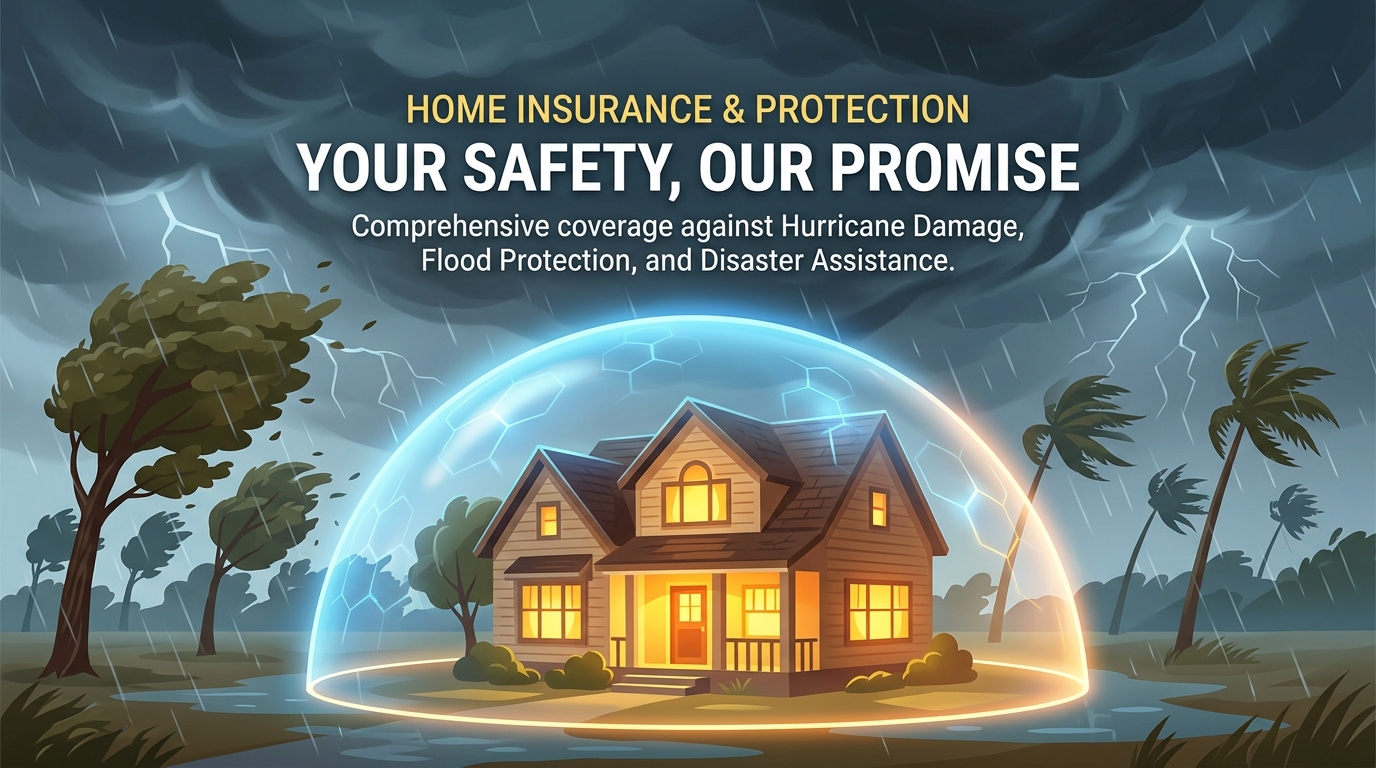
Understanding Hurricane Property Damage and Insurance
When a hurricane strikes, the devastation can leave property owners confused about what their insurance policies actually cover. Between windstorm damage, flooding, and falling debris, navigating the claims process requires a clear understanding of your coverage limits and policy exclusions. In this comprehensive guide, we address the most pressing questions regarding hurricane-related property damage to help you secure the financial protection you deserve.
It is crucial to remember that no single policy covers all potential hurricane damages. A holistic approach to property protection usually involves a combination of standard homeowners insurance, separate flood insurance policies, and potentially even specialized windstorm riders depending on your geographical location. Preparation and policy comprehension are your best defenses against out-of-pocket catastrophe expenses.
Frequently Asked Questions About Hurricane Insurance
Do homeowners' insurance plans cover flooding?
Most flood events are explicitly not covered under standard homeowners insurance guidelines. To protect your house and property against water intrusion from storm surges or overflowing rivers, you must purchase a separate flood insurance policy, typically underwritten by the National Flood Insurance Program (NFIP) or private insurers.
Do car insurance policies include flooding?
Yes, your vehicle is covered for flood damage only if you have purchased comprehensive auto coverage. If you only maintain liability coverage or collision coverage, your automobile is not insured against natural flooding events. Review your automotive policy declarations to ensure you have comprehensive coverage before a storm approaches.
Can we purchase flood insurance if my property has been flooded previously?
Indeed, you can obtain a flood insurance policy regardless of whether your house has suffered prior flood damages. However, standard NFIP policies typically enforce a strict 30-day waiting period from the date of purchase before the coverage becomes effective. Therefore, it is imperative to consult your insurance company well in advance of hurricane season to prevent gaps in coverage.
Will federal disaster assistance cover my flood damage?
You may be eligible for federal disaster assistance (such as FEMA grants or low-interest SBA loans) only if your residence is located within a federally declared disaster region. While federal aid can provide critical emergency support, it is not a substitute for robust private insurance and often comes in the form of a loan that must be repaid.
If my neighbor's tree fell on my home, can my neighbor's homeowners insurance provider pay for the damage?
Under normal conditions, if a neighbor's tree falls onto your property due to an act of God (like a hurricane), it is the responsibility of your insurance company to cover the actual repairing cost for the damage to your home. Your neighbor's insurer might be liable only if there is documented proof that the tree was dead, diseased, or hazardous, and the neighbor was negligent in failing to remove it prior to the storm.
How quickly does the insurance provider have to pay me the cash it owes me for any repairs made to my home?
In many cases, you will receive the claims check shortly after the damage inspection is completed and the adjuster files their report. By law, an insurance provider typically has a maximum of 30 days to process and pay your claim once you have submitted all suitable verification of damage and the claim is officially approved.
If I am not quite happy with the support that my insurance provider has provided me, how do I file a grievance using the Department of Insurance?
If you experience unfair claims practices or unreasonable delays, all official complaints ought to be submitted in writing to the Department of Insurance for the state in which you reside. State regulatory boards mandate fair practices and can investigate insurance carriers on your behalf.
Preparing for Future Storms and Minimizing Risk
Beyond securing the proper insurance policies, homeowners should actively invest in preventative measures to mitigate hurricane damage. This includes installing storm shutters, reinforcing roof structures with hurricane straps, and properly sealing windows and doors. Trimming large trees and removing hazardous limbs near your property can drastically reduce the risk of impact damage during high-velocity wind events.
Finally, always maintain an updated inventory of your personal possessions. Take detailed photographs and videos of your home's interior and exterior before a storm hits. Storing these records in a secure cloud environment ensures that, if disaster strikes, you possess the irrefutable evidence required by adjusters to process your claims swiftly and accurately.
Protecting your property requires diligence, foresight, and a robust understanding of your insurance ecosystem. Do not wait until a storm is named to evaluate your risk exposure. By adopting these strategies, you can weather the storm with confidence and financial security.